Concept

The shelf nobody cross-checks

A concept, not a delivered project: the pattern we would build for a grocery store where the cash always balances, but nobody checks whether what was bought matches what was sold and what is still on the shelf.

Field: retail, grocery · Location: UAE · Type: custom AI business app · Status: concept

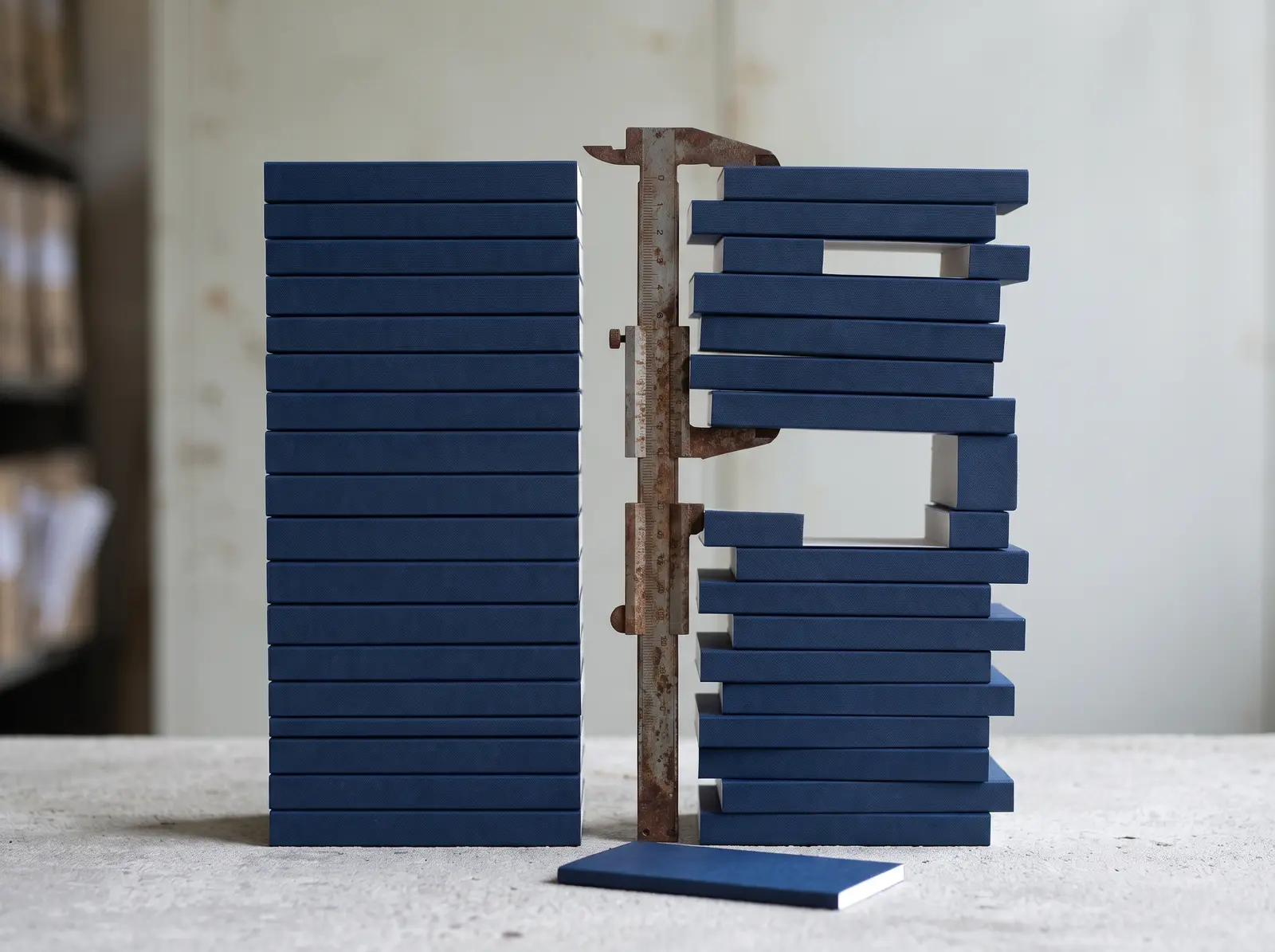
Still life of two stacks of navy blocks, one orderly and one drifting apart, measured by a rusted caliper
01

"The cash matches, so we are good"

Every evening the owner checks the drawer: cash and card takings match the report. The system knows how much money moved. It has no idea whether what was sold matches what was bought, because purchase invoices sit in a WhatsApp folder or a paper pile, and the shelf itself is checked by walking around and guessing. Rice gets reordered because the shelf looks empty, not because a number said so. Expired oil in the back room turns up only when the smell reaches the front.

02

Drift, not theft

The cost is rarely one dramatic loss. It is a string of small ones: a supplier shorts a crate and nobody compares the invoice to what arrived, a fast mover sits empty for days with no warning, a slow mover ties up cash in the back room because it was ordered by mistake. None of it shows up until a full stock count, when the gap between what the books say and what is actually there turns out to be real money.

03

An assistant that points at the gap, not one that runs the store

01

Invoice reading

Supplier invoices arrive as PDFs, WhatsApp photos or emails. The system reads what it can and stores the original image untouched, so the record used for any future audit is always the real document, not a rewritten one. Anything it cannot read clearly is flagged for manual entry. It never invents a number.

02

Purchase to sale comparison

The system compares what was bought against what was sold and calculates an expected stock level, flagging any product where the gap grows past a sensible threshold rather than staying silent.

03

Weekly shelf check

The owner or a trusted employee walks the aisle with a phone, checking the products with the biggest gaps, logging anything damaged, expired, returned or simply missing, and closing the loop with a reason, not just a number.

04

Reorder suggestions

Based on recorded sales, the system suggests when a product is likely to run out. It never orders on its own. Confirm, ignore or override stays the owner's call, and the suggestion is only ever as good as the invoice data feeding it.

04

The system sees the gap. The owner finds the reason

The owner still decides what to order, from whom and when. The shelf check stays deliberately human: a person notices dust on a slow box, a competitor's new brand, a reason to run a promotion, in a way a camera in a cluttered back room never will. When the system flags a gap, it does not accuse anyone. Every check and every flag is logged with who looked and when, so the owner can investigate whether a supplier shorted a delivery, a cashier mis-scanned, or stock simply expired, without the tool doing the accusing for them. The judgment about people and product stays human. The cross-checking becomes machine work.

05

From guesswork to a closed loop

Today, purchase invoices go largely unread, sales data sits apart from stock reality, and drift is only discovered at a full count. Once this is built, invoices are read and matched where possible, meaningful gaps surface within days rather than months, and the owner can see which products are drifting and roughly why, before the shelf runs empty.

07

Every business has a version of the shelf

A grocery store loses margin to drift between what it buys, sells and actually has. Another business loses the same margin to a different unwatched gap. The pattern is the same: find where the record and reality quietly disagree, build the tool that catches it sooner, leave the decision with the owner.

Book a free scoping call